Do Guti
Item
- Title (dcterms:title)
- Do Guti
- Description (dcterms:description)
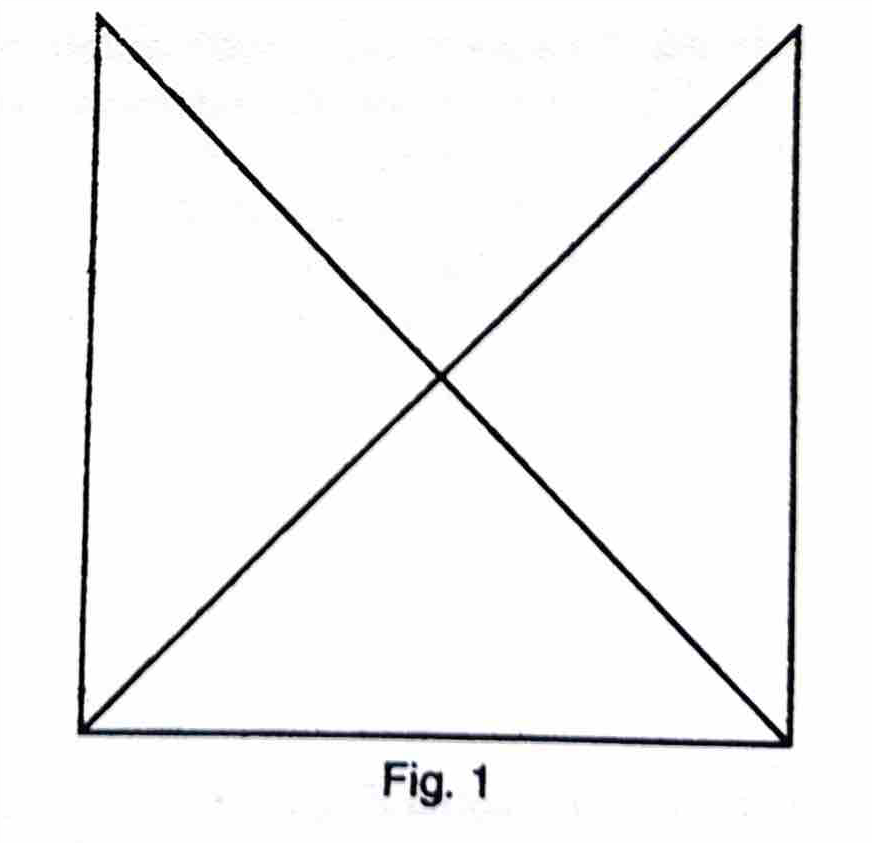
- This game was documented by Hem Chandra Das Gupta while he was working on some of his own geological field work. The informants as he stated were Pathan or Pashtun who lived in Mianwali district of Punjab. He explained in his essay that the games he documented from the region were played by everyone in the area including both children and elders, and the games were found at times etched on stone slabs in common spaces. Do Guti is one of them. It is a two player game and as the name suggests Do Guti, means two pieces and it is played as such. Do Guti is a blockade game from Punjab in Pakistan. Graffiti on early monuments suggest this game could be medieval in date.
- Rules (dcterms:instructionalMethod)
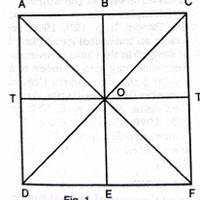
- A square, with diagonals, but one side of the square has been removed. Two pieces per player. Players alternate turns placing a piece on an empty spot on the board. When the pieces are placed, players alternate turns moving one of their pieces to an empty adjacent spot along the lines. The player who blocks the other from being able to move wins.
- Creator (dcterms:creator)
- Hem Chandra Das Gupta
- Source (dcterms:source)
- ‘Few Types of Sedentary Games Prevalent In The Punjab’ by Hem Chandra Das Gupta in Sedentary Games of India eds. Nirbed Ray and Amitabha Ghosh
- Contributor (dcterms:contributor)
- Hem Chandra Das Gupta
- Rights (dcterms:rights)
- Creative Commons
- Format (dcterms:format)
- Boardgames
- Medium (dcterms:medium)
- Boardgames on text
- References (dcterms:references)
- Do Guti- Digital Ludemi Project
- ‘Few Types of Sedentary Games Prevalent In The Punjab’ by Hem Chandra Das Gupta in Sedentary Games of India
- Spatial Coverage (dcterms:spatial)
- Punjab (currently Pakistan)
- Entered by (dcterms:accrualMethod)
- Adrija Mukherjee
- Notes (foaf:status)
- This essay was written before the independence period and after the partition the region of Mianwali now falls under Pakistan.


- Media
 game 4.png