Mancala, Karla (1)
Item

- Title (dcterms:title)
- Mancala, Karla (1)
- Description (dcterms:description)
-
The game of Mancala is considered to be one of the oldest games of the world, while its place of origin and the timeline is debatable. The earliest textual reference as stated by scholars comes from Kitab al-Aghani, or Book of Songs which does not directly mention mancala but refers to a similar game. These rows of cupules have been excavated in ancient sites like Jordan and many others including megalithic sites in India but their link as to being Mancala is debatable. This game has many variants all across the world and is popular in Africa, Asia, and parts of Eastern Europe. In India, Mancala is known by many names and the rules and variants of the game keep changing based on its region and according to the communities who play them. The number of holes in mancala differ along with the number of rows as well. In some variants the board is hand-drawn on a surface as circles with chalk or even cut holes on the soil to play the game. It is played with local seeds, stones or anything which is easily available as pieces to place inside the pits. The number of pieces per pit also vary from four to even twelve in some variants. This game is popularly a two-player game but some variants also show three players or even one in some case.
This mancala board is engraved on the floor of the main chaitya griha or cave number 8 in Karla. As the image shows, is a two-row mancala with 7 holes consisting both sides. There are also two depressions on the two extreme left and right side of the carving which could be the space to keep the winning seeds. The graffiti measures to 36cm and the diameter of each hole is 3cm approximately. This Graffiti board lies on the left side of the Stupa.
The Karla cave complex in Maharashtra is one of many rock-cut early Buddhist caves stretching from a time period of roughly 2nd century BCE. Karla is prominent and popular for its Grand Chaitya, which is considered to be one of the largest and best-preserved chaitya halls of that period consisting fine sculptures in its pillared panels. There are also many inscriptions in Karle denoting the various grants to construct the cave complex. There is a total of three mancalas right at the chaitya hall on the floor. While there are abundant etched evidence of mancala spread all across Maharashtra, it has been stated by scholars and board game researchers that more recent memory of the existence of this game is absent from the region. Thus, the practice of playing the game or the regional variant belonging from this region is either lost or yet to be found. - Alternative Title (dcterms:alternative)
- Mow korkatia / Longbeuacha (Assamese ), Sat-gol (Hindi), Ali Guli Mane (Kannada), Vai Lung Thlan (Mizo), Kanji guti (Odia), Khutka boia (Punjabi ), Pallanguzhi/ Pallankuli (Tamil), Vamana Guntalu (Telugu), Chenna Maaney (Tulu), Pachgarhwa (Urdu), Til-goti, Chal goti (Mundari), Sat Gharoa (Bihar), Bakri (Chattisgarh)
- Rules (dcterms:instructionalMethod)
- Rules to play Mancala
- Contributor (dcterms:contributor)
- Souvik Mukherjee and Adrija Mukherjee
- Rights (dcterms:rights)
- Creative Commons
- Format (dcterms:format)
- Graffiti Board game
- Medium (dcterms:medium)
- Boardgame engraved or excavated on basalt rock
- References (dcterms:references)
- Mancala- Digital Ludemi Project
- Mancala- Mancala world
- Pallanguzhi- Map Academy
- Temporal Coverage (dcterms:temporal)
- The Karla Caves are dated from the 2nd century BCE to 5th century CE.
- Spatial Coverage (dcterms:spatial)
- Karla Cave number 8, Maharashtra
- Variants (dcterms:isVersionOf)
-
 Cenne Mane
-
 Khutki Boia
-
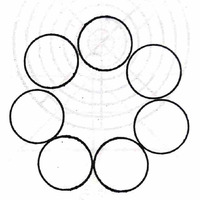 Sat Gol Game
-
 Gud Phale
-
 Pachgharwa (five spaces/homes)
-
 Düzalé
-
 Kasadi
-
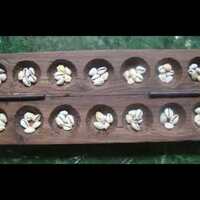 Interview with Professor Priya Sangameswaran (CSSSC): On Playing Pallanguzhi/Pallangudi in Palakkad
-
 Rules of Pallankuzhi
-
 Sat- Gharoa
-
 Mawkar Katiya
-
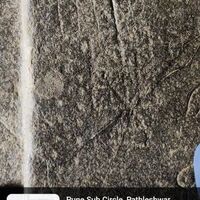 Mancala, Pataleshwar (7)
-
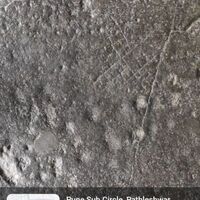 Mancala, Pataleshawar (8)
-
 Chaupar, Pataleshwar (3)
-
 Incomplete Mancala, Pataleshwar (6)
-
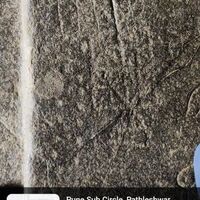 Baghchal, Pataleshwar (1)
-
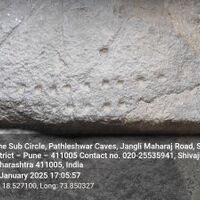 Mancala, Pataleshwar (4)
-
 Mancala, Pataleshwar (5)
-
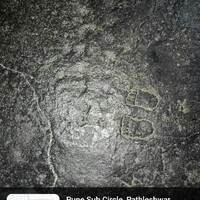 Mancala, Pataleshwar (3)
-
 Mancala Finished and Unfinished, Pataleshwar (1,2)
-
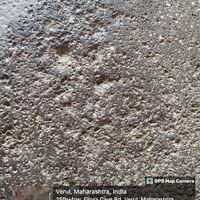 Unfinished Mancala, Ellora
-
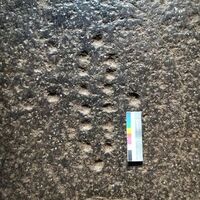 Mancala, Karla (1)
-
 Mancala, Bhaja Cave Complex
- Entered by (dcterms:accrualMethod)
- Adrija Mukherjee
- Notes (foaf:status)
-
while there have been many scholars who have worked on documenting the inscriptions, sculptures and the architecture of the caves of Karla it is our contention that the focus on these gameboards have been neglected. Although in some other caves some of these games have been documented and identified, more precise work needs to be done and further questions need to be raised for example geotagged locations, identification of play patterns etc.
As the provenance of these etched boards are unknown, the exact variant and the rule of the game is difficult to trace.
- Media
- mancala karle.jpg