Pallanguzhi
Item

- Title (dcterms:title)
- Pallanguzhi
- Description (dcterms:description)
-
Pallanguzhi, also called Pallankuzhi is typically known as the game of many pits (pal meaning many and kuzhi meaning pit). The game requires a wooden board with holes on both sides of equal number. There are many kinds of pallankuzhi boards. While the most common one is rectangular with seven pits on each side and at times two extra longer pits. It is a two-player game played by played facing opposite each other. It is played with cowrie shells, precious stones, tamarind seeds or materials locally available to the region. The material used also depended on the socio-economic status of the players along with availability in local regions. The number of stones or cowries used per pit also determined the strategy and the rules of the game. The number of pieces could range from four to twelve or even more.
There are other kinds of boards for example, according to V. Balambal, the Pallanguzhi board of Kanyakumari region is in a triangular shape instead of a rectangle and it is played as a three-player game with five pits belonging to each player. With the number of pits varying the play traditions and the game rules also vary. Usually in Tamil Nadu, there are four kinds of boards. The rectangular with seven pits, a board with six pits with two larger pits to store the cowries or the seeds (closer resemblance to Mancala), the triangular board and another type of board with ten pits on each side and two larger pits at the centre allowing even four players to play with five pits each. As stated from sources, there are examples of the game being played without a board being present. According to Balambal, this game is more popular among women than men. The board at times are pits dug on the ground in order to play or even drawn circles on the ground to serve as a pit. Boards although popularly made of wood, also have other variants of material like metal, ivory or commonly even plastic.
This game is also popular amongst the Muslim community in Southern Tamil Nadu who play this game as a ritual during the fifth day after a marriage ritual with coins. These coins are usually paid by the family of the bride. - Alternative Title (dcterms:alternative)
- Mow korkatia / Longbeuacha (Assamese ), Sat-gol (Hindi), Ali Guli Mane (Kannada), Vai Lung Thlan (Mizo), Kanji guti (Odia), Khutka boia (Punjabi ), Pallankuzhi/ Pallankuli (Tamil), Vamana Guntalu (Telugu), Chenna Maaney (Tulu), Pachgarhwa (Urdu), Til-goti, Chal goti (Mundari), Sat Gharoa (Bihar), Bakri (Chattisgarh)
- Rules (dcterms:instructionalMethod)
-
 Rules of Pallankuzhi
- Pallanguzhi played by Professor Priya Sangameswaran (CSSSC)
- Source (dcterms:source)
- Balambal, Dr V. Folk Games Of Tamilnadu. C.P.Ramaswami Aiyar Foundation, 2005.
- Contributor (dcterms:contributor)
- Gautam Sen Memorial Boardgames Museum
- Rights (dcterms:rights)
- Creative Commons
- Format (dcterms:format)
- Boardgames
- Medium (dcterms:medium)
- Boardgame on Wood
- References (dcterms:references)
- Balambal, Dr V. Folk Games Of Tamilnadu. C.P.Ramaswami Aiyar Foundation, 2005.
- Pallanguzhi- Map Academy
- Pallankuli- Digital Ludemi Project
- Pallanguzhi- Mancala Fandom Wiki
- Spatial Coverage (dcterms:spatial)
- Tamil Nadu
- Variants (dcterms:isVersionOf)
-
 Mancala
-
 Cenne Mane
-
 Khutki Boia
-
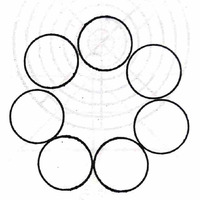 Sat Gol Game
-
 Gud Phale
-
 Pachgharwa (five spaces/homes)
-
 Düzalé
-
 Kasadi
-
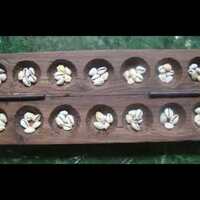 Interview with Professor Priya Sangameswaran (CSSSC): On Playing Pallanguzhi/Pallangudi in Palakkad
-
 Sat- Gharoa
-
 Mawkar Katiya
-
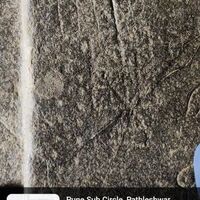 Mancala, Pataleshwar (7)
-
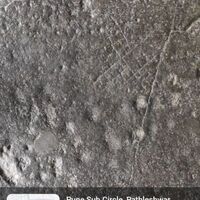 Mancala, Pataleshawar (8)
-
 Incomplete Mancala, Pataleshwar (6)
-
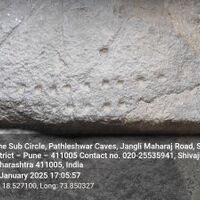 Mancala, Pataleshwar (4)
-
 Mancala, Pataleshwar (5)
-
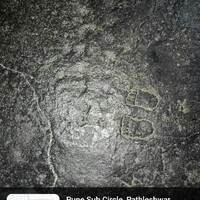 Mancala, Pataleshwar (3)
-
 Mancala Finished and Unfinished, Pataleshwar (1,2)
-
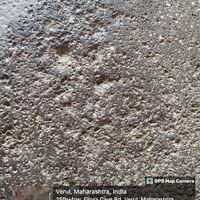 Unfinished Mancala, Ellora
-
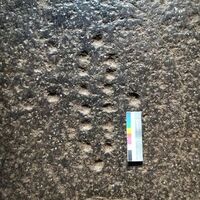 Mancala, Karla (1)
-
 Mancala, Bhaja Cave Complex
- Entered by (dcterms:accrualMethod)
- Adrija Mukherjee
- Media
 Pallanguzhi board